
News
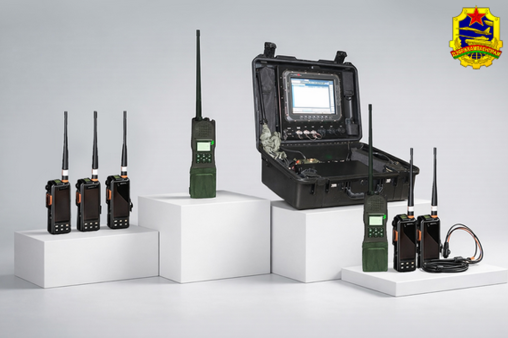
Artillery Fire Control Evolution: What Is SAMI’s Upgraded Belarusian Lektor Capable of?
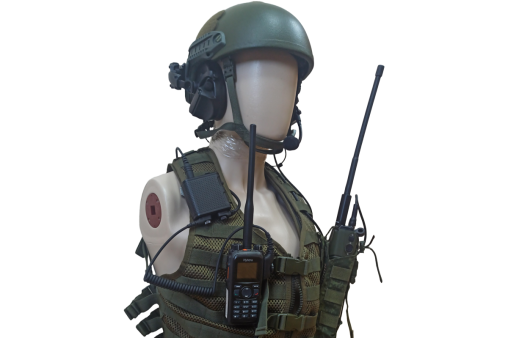
The upgraded portable automated artillery fire control system called Lektor manufactured by OJSC “AGAT – Control Systems” – Managing Company of “Geoinformation Control Systems” Holding has been put into service with the Armed Forces of the Republic of Belarus.
Compared to its basic modification, the upgraded Lektor has become truly multipurpose and takes the combat employment of artillery to the whole new level while meeting the challenges of modern combined arms operation.
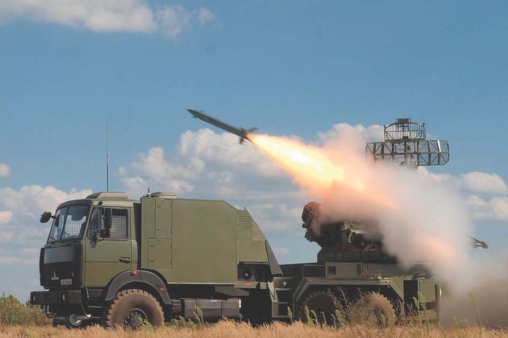
SAMI Hits the Mark: Upgraded Vehicle Tests Successful
Handover of a batch of the 9A33-2B combat vehicles of the Osa surface-to-air missile system upgraded by 2566th Electronic Warfare Systems Repair Plant JSC was accompanied by verification firing tests on the foreign customer’s territory.
Their outcome? Once again, all the air targets were hit.
Technical characteristics were confirmed in combat conditions. This is yet another evidence of the fact that the quality of upgrading and repairs carried out by the State Authority for Military Industry (SAMI) is high.
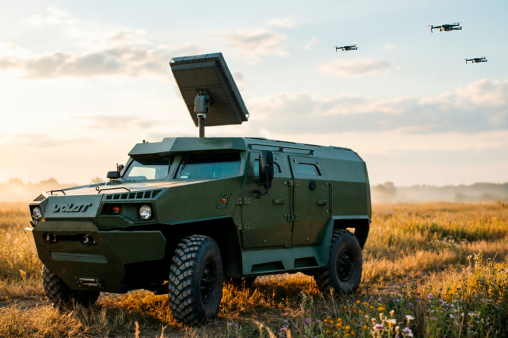
Kalina Advanced Short-Range Radar by SAMI: Accuracy, Invisibility, Efficiency
ALEVKURP JSC conducts research activities to develop its three-dimensional radar for precise measurement of coordinates and guidance of weapons that was assigned the code “Kalina”.
The radar will be able to support automatic guidance of weapons (anti-aircraft machine gun and gun mounts, guided missiles) on the UAVs of any class, including low-speed targets and objects with low radar cross section (RCS).
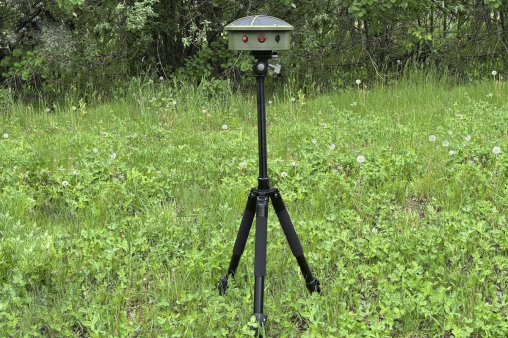
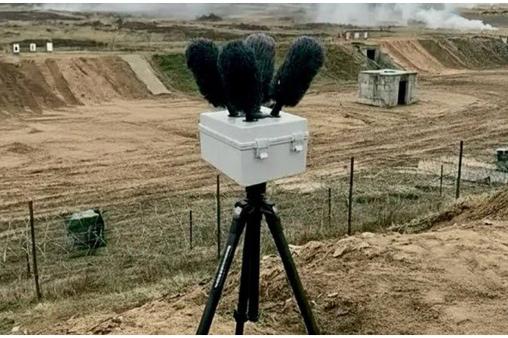
SAMI Demonstrates UAV Detection Breakthrough: SCANNER 2.1 Acoustic System
Professionals at InnoTech Solutions company have developed the next-generation acoustic location system (ALS) called SCANNER 2.1.
The key feature of this system is its efficiency in detection of fibre optic drones, which are extremely difficult to detect with radio monitoring equipment.
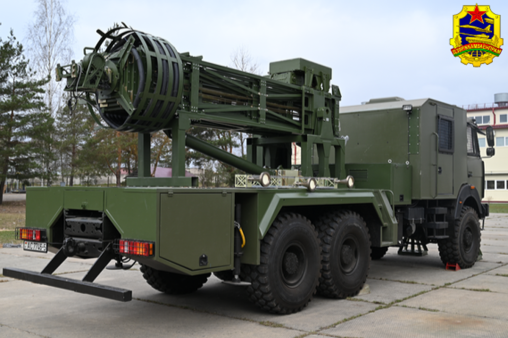
Armourers Are Improving the Osa ADMS
2566 Radioelectronic Armament Repair Plant JSC is completing the research and development work on the 9V914-1B alignment vehicle.
This product plays a vital role in ensuring the operational readiness of air defence systems. Its key tasks include aligning combat vehicles within the Osa air defence missile system (ADMS) and verifying the magnitude of error signals.
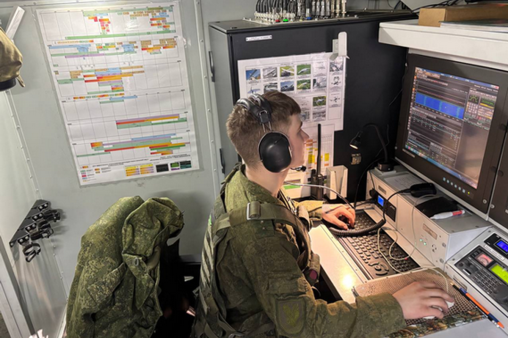
Effective Weapon Against Drones
On March, 16-20, the troops of the Northwestern Operational Command of the Armed Forces of the Republic of Belarus held a special tactical exercise with an electronic warfare unit. The military personnel worked out the full range of tasks to protect troops from modern threats – from detecting and jamming unmanned aerial vehicles to ensuring stable control of their units amid dense electronic countermeasures.
State Authority for Military Industry: Import Substitution is a Priority
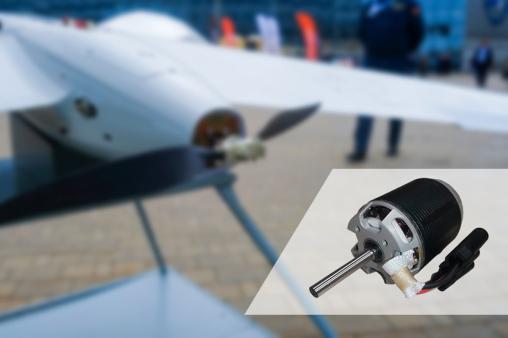
ALEVKURP JSC has completed research and development on a prototype small electric motor for unmanned aerial vehicles, with a power output of 4.44 kW. Tests have confirmed the product’s high technical specifications, which are on a par with the best foreign analogues.
Advanced Computer Models for the Armed Forces
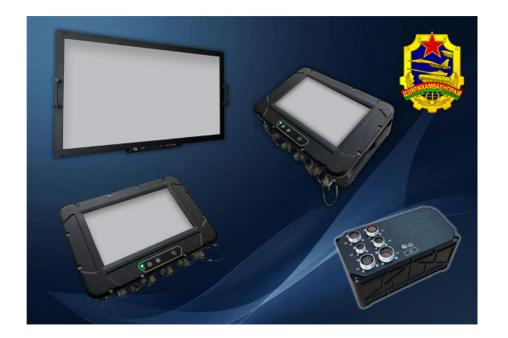
JSC NIIEVM completed the final stage of state tests of modern means of processing, storing, and displaying information. The goal of the development work was to create a line of specialised computing tools designed for integration into automated control systems and information and computing systems for weapons and military equipment.
The developed products included mobile tablets (portable computers) of the BM2455 and BM2456 models, a specialised computer (BM2462), and display devices (multifunctional liquid crystal panels) with diagonals of 8", 15", 24" (two options), and 32".
New Standard for NBC Reconnaissance
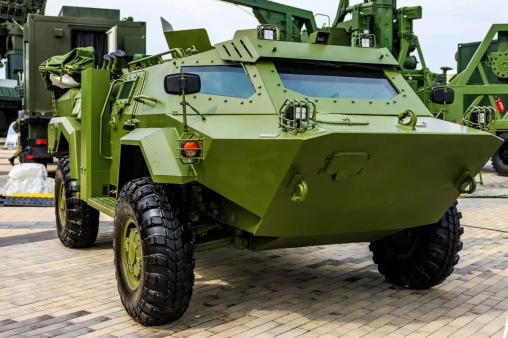
The 8th CBRN brigade is conducting technical trials on a unique new addition to the Belarusian military's arsenal – the "Chimera" nuclear, biological, chemical reconnaissance vehicle, developed by Agat – Electromechanical Plant JSC. The crew is testing the vehicle's capabilities and performance in field conditions.
The "Chimera" armoured NBC reconnaissance vehicle (crew of three) is built on the "Cayman" 60.42 (4×4) chassis to replace the BRDMs in the existing fleet.
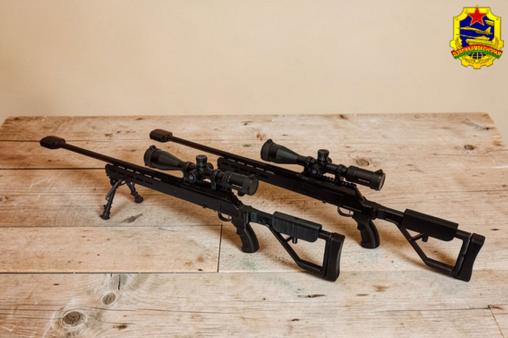
Kidma Tech JSC Has Supplied High-Precision Sniper Rifles to the Belarusian Military Personnel
Kidma Tech JSC has donated a batch of SV-1000 "Stiletto" high-precision sniper rifles to the special forces’ soldiers of a military unit within the Western Operational Command. These rifles are designed explicitly for special firing tasks carried out by military, reconnaissance, and special forces units.

Rodnik 3D Confirmed Its Characteristics During Testing
The “Rodnik 3D” three-coordinate radar station for detecting low-altitude air objects, developed by JSC “KB Radar” – the Managing Company of “Radar Systems” Holding - has successfully passed another stage of testing.
In a complex electronic environment and challenging climatic conditions with air temperature differences ranging from -25° to 0°C, the radar demonstrated its combat capabilities and tactical and technical characteristics in detecting various types of UAVs and other airborne objects operating at low and extremely low altitudes.
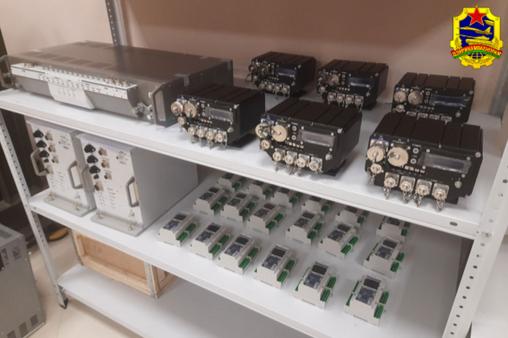
Complete Kit from SAMI
The first combat launches from the Pechora air defence missile system (ADMS), modernised with the direct participation of ALEVKURP JSC, were successfully carried out on the territory of another foreign customer. The product underwent renovation through the delivery of a modernisation kit and the performance of work by ALEVKURP JSC specialists on the customer’s territory, with their participation.
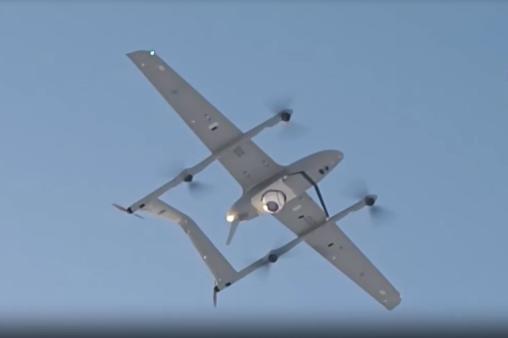
The DML-150S Laser Methane Detector Has Successfully Passed Tests in the Harsh Conditions of Siberia
In the Khanty-Mansiysk Autonomous Region, successful tests were conducted on the DML-150 methane laser detector manufactured by Peleng JSC, which was integrated by the customer with the OG-65 unmanned aerial platform and used as part of the methane detection aviation complex.
The tests were conducted at the end of January at temperatures ranging from -30°C to -43°C and wind speeds of 8-12 m/s. The flights lasted 53 and 65 minutes, with a maximum distance from the launch point of over 40 kilometres while maintaining uninterrupted communication.
